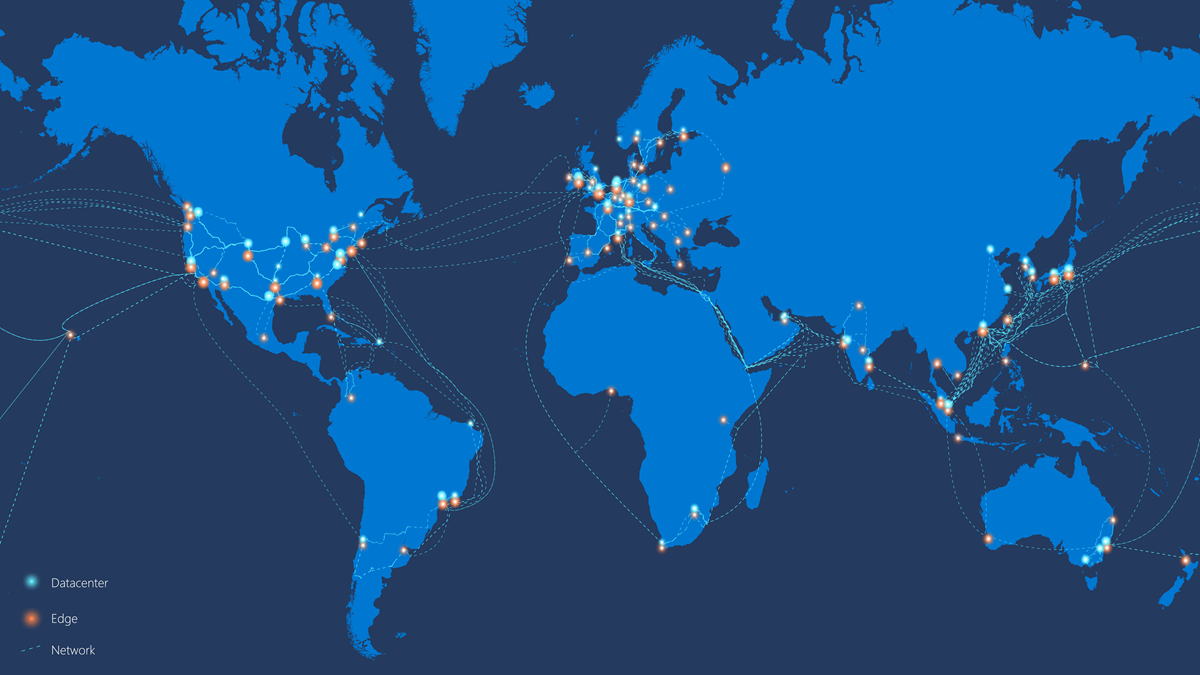
Redefining Global
Resource Management
A comprehensive framework for autonomous, distributed, and intelligent resource allocation
Executive Summary
The Global Autonomous Distributed Intelligent Resource Management Network (GADIRMN) proposes a paradigm shift in how humanity manages its vital resources. Confronting the limitations and inherent instabilities of legacy systems—often characterized by opacity, inefficiency, and centralized control that can fuel conflict—GADIRMN envisions a future where resources are managed autonomously, intelligently, and equitably on a global scale.
Key Objectives
- Optimize resource allocation through dynamic, real-time decision-making
- Ensure transparency and trust via blockchain-based immutable records
- Enable autonomous operation through AI-driven management processes
- Promote equitable access and prevent resource monopolization
By synergistically integrating blockchain technology, Artificial Intelligence (AI) agents, the Internet of Things (IoT), and Decentralized Autonomous Organization (DAO) principles, GADIRMN aims to create a transparent, efficient, and resilient global resource management ecosystem. The ultimate goal is to foster a post-scarcity, conflict-free world by ensuring optimal resource distribution, minimizing waste, and empowering collective stewardship.
Introduction: The Need for a New Paradigm
Limitations of Legacy Systems
Current global resource management systems are plagued by significant limitations that hinder efficiency, promote inequity, and often contribute to geopolitical tensions. Legacy systems frequently suffer from centralized control, leading to bottlenecks, single points of failure, and susceptibility to corruption.
The "war-mongering legacy bloat" refers to systems where resource control is concentrated, access is unequal, and competition for scarce resources can escalate into conflict. This paradigm is unsustainable and fails to meet the complex challenges of the 21st century.
Vision and Core Principles
Autonomy
Self-governing and self-optimizing processes through AI and smart contracts
Distribution
Power distributed across global network participants, eliminating single points of failure
Intelligence
Advanced AI algorithms for complex data analysis and predictive optimization
Global Reach
Planetary-scale operation across diverse geographical regions and jurisdictions
Technical Architecture
High-Level System Overview
Multi-Domain, Layered Architecture
Global Chain (G-Chain)
Central coordination and cross-domain operations
Resource Domains (R-Chains)
Specialized management for each resource type
Integration Layer
AI, IoT, and DAO coordination
Resource-Specific Domains
Energy R-Chain
Smart grid management, P2P energy trading, demand forecasting, and renewable integration
Water R-Chain
Quality monitoring, irrigation management, allocation optimization, and scarcity prevention
Food R-Chain
Supply chain transparency, provenance tracking, quality control, and distribution optimization
Minerals R-Chain
Extraction monitoring, environmental impact tracking, and sustainable resource management
Computing R-Chain
Distributed computing power allocation, verifiable computation, and resource discovery
Integration of Key Technologies
Blockchain Foundation
Blockchain technology serves as the foundational layer for trust, transparency, and immutability within GADIRMN. The architecture employs a multi-chain structure with a Global Chain (G-Chain) and specialized Resource-Specific Chains (R-Chains) [224].
AI Agents
AI agents are pivotal to GADIRMN's vision of autonomous resource management. These software entities analyze complex data, make informed decisions, and execute actions with minimal human intervention. The MATRIX AI Network highlights AI service nodes for system optimization [90].
Internet of Things (IoT)
IoT forms the sensory and actuation layer, providing critical real-time data for AI decision-making. The MATRIX AI Network's "trustworthy gateways" concept is highly relevant for IoT integration [113].
DAO Governance
Decentralized Autonomous Organization principles provide the governance framework, ensuring collective management by stakeholders rather than centralized authority. The "Coordination Network" proposal describes an AI-Managed DAO for decision-making and conflict resolution [156].
Decentralized Governance Model
Global Assembly
Highest level governance body comprising representatives from various stakeholder groups. Oversees G-Chain and sets broad network policies.
- • Strategic decision-making
- • New domain admission
- • Core protocol amendments
Domain Councils
Resource-specific governance bodies with domain expertise. Manage day-to-day operations and set domain-specific policies.
- • Resource allocation rules
- • Trading protocols
- • Operational upgrades
Participation Roles
Diverse roles ensure broad participation and specialized expertise in governance processes.
- • Token holders/stakers
- • Validators/producers
- • Developers/maintainers
- • Arbitrators/resolvers
Participation Mechanisms
Proposal Submission
Clear process with formal templates, token deposits to prevent spam, and initial review phases. Proposals can range from technical upgrades to resource allocation changes.
Deliberation & Discussion
Robust platforms for open deliberation including forums, chat channels, and interactive platforms integrated with voting interfaces. Transparency is maintained through on-chain recording.
Voting Mechanisms
Multiple voting systems including token-weighted, quadratic, conviction, and delegated voting. Thresholds vary based on proposal impact and type.
Transparency and Accountability
Every significant action, decision, and transaction within the governance framework is recorded on the blockchain, creating an immutable and publicly auditable trail. Smart contracts automate governance processes, ensuring consistent rule application without human bias.
Economic Incentives and Tokenomics
Native Network Token (GADIRM Token)
The GADIRMN ecosystem will be powered by a native network token serving multiple critical functions as the primary medium of exchange, store of value, and governance instrument.
Medium of Exchange
Facilitates transactions across all resource domains and services
Governance Rights
Enables participation in DAO voting and proposal submission
Network Security
Staking mechanisms secure the network and validate transactions
Incentive Structures
Resource Providers
Rewards for contributing energy, computing power, water, or other resources
Validators
Staking rewards for securing the network and validating transactions
Developers
Funding for building and maintaining network infrastructure
Governors
Incentives for active participation in governance processes
Economic Sustainability
The economic model is designed to be self-sustaining, with transaction fees, resource utilization charges, and network services generating value that supports ongoing operations and development.
Value Creation
- • Efficient resource allocation reduces waste
- • Transparent markets enable fair pricing
- • Automation lowers operational costs
Value Distribution
- • Stakeholders rewarded for contributions
- • Treasury funds network development
- • Public goods funding mechanism
Implementation Roadmap
Foundation Phase
- • Core blockchain infrastructure development
- • G-Chain deployment and testing
- • Basic DAO governance framework
- • First R-Chain pilot (Energy domain)
- • Initial token distribution mechanism
Expansion Phase
- • Additional R-Chain deployments
- • AI agent integration and training
- • IoT device network expansion
- • Cross-domain coordination protocols
- • Governance mechanism refinement
Maturation Phase
- • Full multi-domain integration
- • Advanced AI optimization
- • Global scale deployment
- • Ecosystem partnerships
- • Self-sustaining economic model
Technical Challenges and Solutions
Scalability
Handling billions of IoT data points and global transaction volume requires innovative scaling solutions.
Security and Privacy
Protecting critical infrastructure while maintaining transparency and privacy for participants.
Interoperability
Seamless integration between diverse resource domains and legacy systems.
The Path Forward
GADIRMN represents a fundamental shift toward autonomous, intelligent, and equitable global resource management. By leveraging cutting-edge technologies and decentralized governance principles, this framework aims to create a more sustainable and prosperous future for humanity.
The transition from legacy systems to this new paradigm will require coordinated effort across multiple sectors and disciplines. Success will depend on collaborative development, rigorous testing, and gradual deployment that demonstrates tangible benefits while building trust among stakeholders worldwide.