The Transformative Impact of 3D Printing on Medical Innovation
Exploring applications, challenges, and policy implications of additive manufacturing in healthcare
Key Applications
- Personalized prosthetics & implants
- Advanced surgical planning tools
- Bioprinting tissues & organs
Market Growth
3D printing is revolutionizing medical innovation by enabling highly customized medical devices, advanced surgical planning tools, and the emerging field of bioprinting tissues and organs. This transformative technology is reshaping how medical professionals approach diagnosis, treatment, and patient care, offering unprecedented levels of customization, precision, and efficiency in healthcare.
"The ability to produce tailored medical solutions that perfectly match an individual's unique anatomy is a key driver of this revolution, leading to improved patient outcomes, reduced surgical times, and enhanced functionality of medical devices."
However, this transformative technology faces significant challenges, including ensuring patient safety, navigating complex intellectual property rights, and establishing robust regulatory frameworks for approval and oversight, particularly for novel applications and point-of-care manufacturing.
Revolutionizing Healthcare: The Broad Impact of 3D Printing
3D printing enables unprecedented levels of customization, precision, and efficiency across medical applications
Customization and Personalization in Medical Devices
One of the most significant advantages of 3D printing in medicine is its capacity to create patient-specific medical devices, implants, and prosthetics [1] [53]. Traditional manufacturing methods often rely on mass production, resulting in generic products that may not perfectly fit the unique anatomical contours of every patient.
Key Benefits:
- Precise anatomical matching from CT/MRI scans
- Improved comfort and functionality of prosthetics
- Enhanced integration of orthopedic implants
For instance, 3D-printed prosthetic limbs can be designed to precisely match the residual limb's shape, providing a much higher level of comfort and function compared to traditionally manufactured prosthetics. Studies have indicated that patients using 3D-printed prosthetics report higher satisfaction and are more likely to use them regularly [1].
Advancements in Surgical Planning and Medical Training
Anatomical Models
Tangible, patient-specific models for pre-operative planning
Surgical Guides
Patient-specific guides for accurate incisions and implant placement
Medical Training
Hands-on experience with realistic anatomical representations
3D printing is revolutionizing surgical planning and medical training by providing tangible, patient-specific anatomical models [1] [53]. Surgeons can use 3D-printed replicas of a patient's organs or affected areas to meticulously plan complex procedures, visualize intricate anatomical relationships, and even practice surgical maneuvers before entering the operating room.
Clinical Benefits:
- Shorter surgery times
- Reduced blood loss
- Faster patient recovery
- Increased precision and safety
Accelerating Drug Development and Personalized Medicine
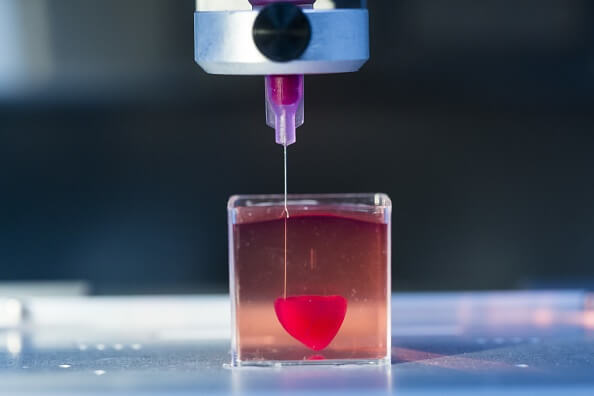
The application of 3D printing in drug development and personalized medicine is a rapidly growing field with significant potential to transform therapeutic interventions [1]. Researchers are utilizing 3D printers to create sophisticated models of human organs and tissues, often referred to as "organ-on-a-chip" or tissue constructs.
Drug Testing Applications
- Liver tissue models for drug metabolism and toxicity testing
- Heart models for cardiac drug response evaluation
- More reliable preclinical data compared to 2D cultures
Personalized Medicine
- Custom drug dosage forms tailored to individual needs
- Patient-specific combinations based on genetic makeup
- Minimized side effects through optimized delivery
Key Applications: Prosthetics and Organ Printing
Two transformative areas demonstrating the profound impact of 3D printing on patient care
3D Printed Prosthetics: Enhancing Accessibility and Customization
3D printing is revolutionizing the field of prosthetics by offering highly customized, cost-effective, and rapidly produced devices, significantly improving accessibility and patient outcomes [4] [23].
Rapid Production
Manufacturing times reduced by up to 75% with potential for same-day delivery
Cost Effectiveness
Prosthetic hands for as little as $50 through organizations like Ayúdame3D
Custom Design
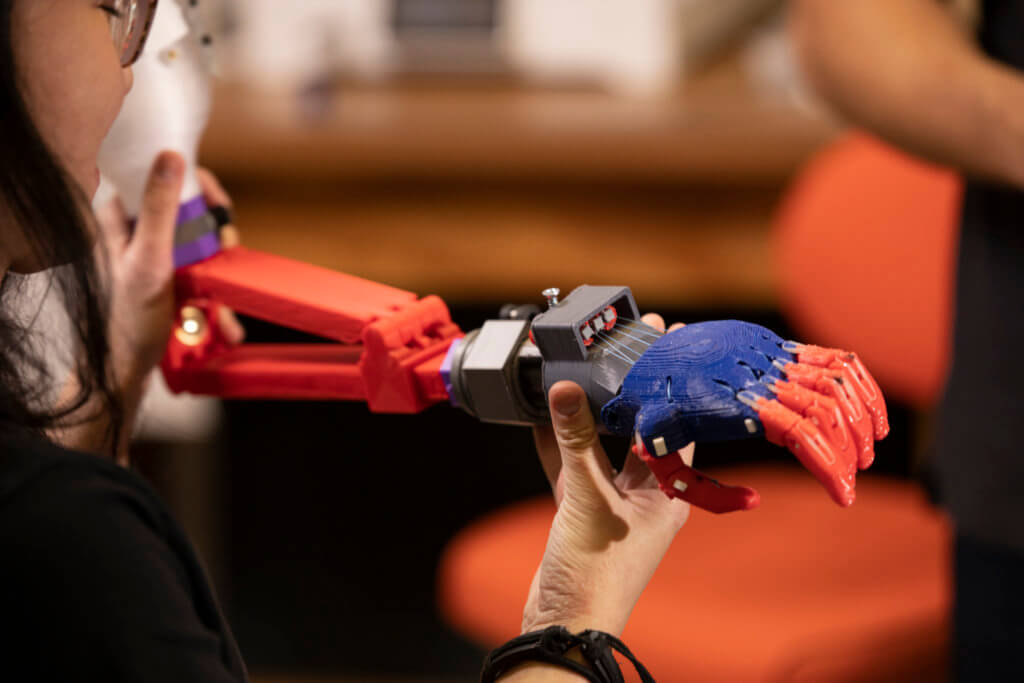
Intricate patterns, colors, and themed covers (e.g., superhero designs for children)
Innovation Spotlight
The Hero Arm by Open Bionics exemplifies 3D printed bionic arms with customizable covers, helping users express their individuality.
Source: [23]
Digital Workflow Advantages
3D Bioprinting of Organs and Tissues: Current Progress and Future Potential
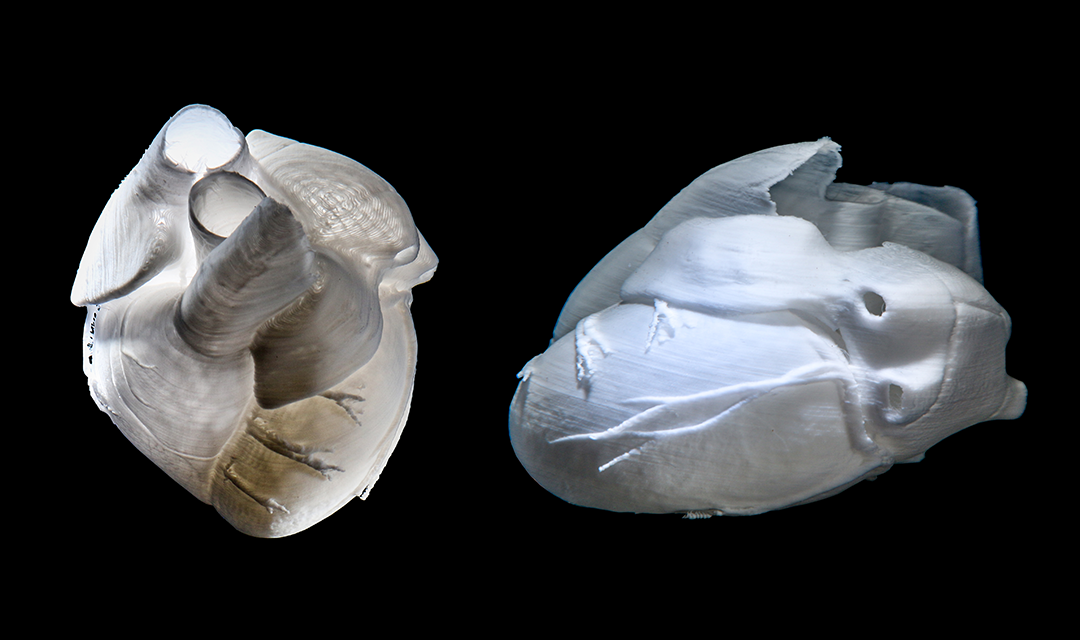
3D bioprinting aims to create living tissues and organs by precisely depositing bioinks—materials containing living cells and biomolecules—layer by layer to build complex three-dimensional structures [7] [20].
Current Achievements
- Skin, cartilage, and blood vessels successfully bioprinted
- Heart valves and kidney tubules in development
- Liver tissue patches for drug testing
- 3D printed ear implantation in clinical trial (June 2022)
Key Challenges
- Vascularization - creating blood vessel networks
- Biocompatible materials for bioinks
- Long-term functionality and integration
- 15-20 years until complex organs available
Bioprinting Process Overview
1. Digital Modeling
Create 3D model from patient's medical imaging data (MRI/CT scans)
2. Cell Preparation
Harvest and culture patient cells, mix with bioink formulation
3. Layer-by-Layer Printing
Bioprinter deposits bioink according to digital blueprint
Navigating Challenges: Patient Safety and Intellectual Property
Critical areas requiring careful navigation as 3D printing integrates into healthcare
Ensuring Patient Safety with 3D Printed Medical Devices
Ensuring the safety of 3D-printed medical devices is a multifaceted challenge that spans the entire lifecycle of the product, from initial design and material selection to manufacturing, sterilization, and post-market monitoring [11] [12].
Safety Considerations
Pre-Market Phase
- • Comprehensive design and development
- • Mechanical validations for physiological loads
- • Contamination analysis and bioburden assessment
- • Sterilization validation protocols
Post-Market Phase
- • Continuous monitoring of device performance
- • Long-term durability data collection
- • Assessment of late-onset complications
- • Real-world safety profile evaluation
Intellectual Property Rights in Medical 3D Printing
The proliferation of 3D printing in the medical field brings to the forefront complex intellectual property (IP) challenges, primarily because the technology inherently facilitates the replication and modification of physical objects from digital files [17] [18].
IP Challenges
- Patent infringement from unauthorized replication
- Digital file vulnerability - CAD files easily shared
- Open-source vs. proprietary design conflicts
- Jurisdictional ambiguity in IP protection
Open Innovation Examples
- Médecins Sans Frontières - prosthetics in Jordan and Haiti
- Careables project - Belgium disability solutions
- Open licensing models for accessibility
- Disability rights expansion through IP law
European IPR Complexity
The European Union's IPR system, while having made attempts at harmonization, still presents a complex landscape with national law and case law playing significant roles. The most controversial IP issues revolve around the type and scope of protection for creations related to 3D modeling and additive manufacturing [134] [148].
Addressing Patent Challenges in 3D Printing Medical Applications
Comprehensive Searches
Conduct thorough patent searches to ensure originality and identify market gaps
Strategic Filing
Leverage provisional patents and continuation applications for maximum protection
Portfolio Development
Build comprehensive IP portfolios covering multiple protection types
Key Patent Strategies
Protection Approaches
- • Precision in patent claims - balance specificity and breadth
- • Provisional applications - secure early filing dates
- • Continuation applications - expand scope as innovations refine
- • Trade secrets for proprietary methods
Global Considerations
- • Patent Cooperation Treaty (PCT) for international protection
- • Key market prioritization based on commercial strategy
- • Collaboration agreements with clear IP ownership terms
- • Regular portfolio evaluation for ongoing relevance
Policy and Regulatory Landscape: Shaping the Future
Evolving frameworks to ensure patient safety while fostering innovation in medical 3D printing
Overview of Regulatory Frameworks for 3D Printed Medical Devices
Regulatory frameworks for 3D-printed medical devices are evolving globally as health authorities strive to keep pace with the rapid technological advancements and unique challenges posed by additive manufacturing in healthcare [13] [14].
United States
FDA Oversight
Technical Considerations guidance, three-class system
European Union
MDR (EU) 2017/745
Custom-made devices, Health Institution Exemption
International
IMDRF Coordination
Harmonization efforts, common principles
Key Regulatory Considerations
Technical Requirements
- • Design controls and validation protocols
- • Material selection and biocompatibility (ISO 10993)
- • Process validation (ISO/ASTM 52927)
- • Quality management systems implementation
Post-Market Oversight
- • Continuous monitoring of device performance
- • Traceability requirements for patient-specific devices
- • Adverse event reporting and surveillance
- • Documentation standards and labeling requirements
Comparative Analysis: US FDA and EU MDR Approaches
| Feature | US FDA Approach | EU MDR Approach |
|---|---|---|
| Primary Goal | Ensure safety and efficacy, foster innovation | Ensure high level of safety and performance, harmonized rules |
| POC Manufacturing | Developing framework; focus on interstate commerce | "Health Institution Exemption" (Art. 5.5) with strict conditions |
| Custom-Made Devices | "Custom device exception" (up to 5 units/year) | Defined in Art. 2(3) & Annex XIII; excludes patient-matched |
| Software Regulation | Regulates SaMD; guidance on software validation | Explicit framework for SaMD; comprehensive classification |
| Risk Classification | Class I, II, III | Class I (Is, Im, Ir), IIa, IIb, III |
| Perceived Stringency | Proactive, flexible, risk-based | More stringent, comprehensive, prescriptive |
Table 1: Comparative Overview of US FDA and EU MDR Regulatory Approaches to 3D Printed Medical Devices
FDA Key Characteristics
- • Risk-based approach with progressive oversight
- • Technical Considerations guidance for manufacturers
- • POC framework development underway
- • 510(k) typically required for patient-specific devices
MDR Key Characteristics
- • Comprehensive regulation with detailed requirements
- • Explicit Health Institution Exemption (Article 5.5)
- • Clear custom-made definitions with exclusions
- • ISO 13485 certification often leveraged
Regulatory Considerations for Point-of-Care 3D Printing
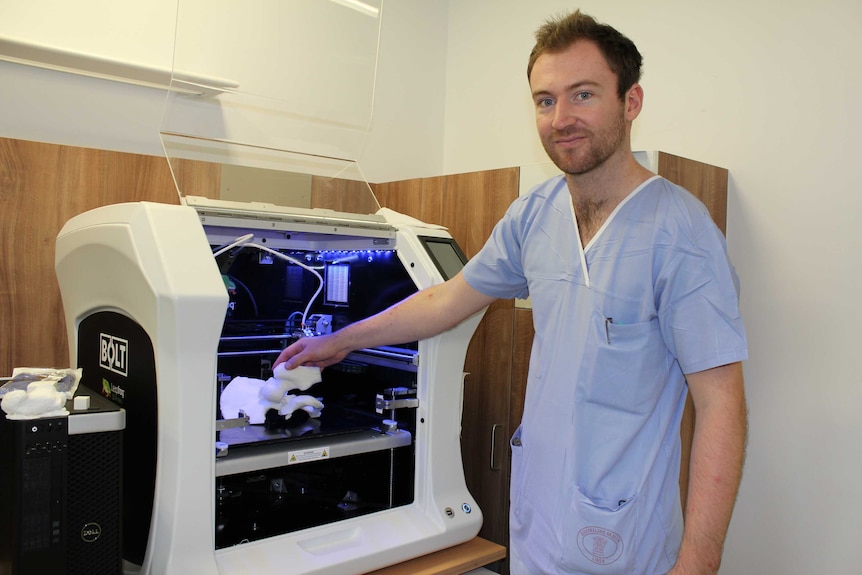
Point-of-care (POC) 3D printing, where medical devices are manufactured within or near healthcare facilities, presents unique regulatory challenges and opportunities [13] [27]. This model allows for rapid customization but blurs lines between healthcare provider and device manufacturer.
Regulatory Challenges
- Quality control in healthcare settings
- Liability questions between provider and manufacturer
- Personnel competency and training requirements
- Ambiguous regulations for healthcare facilities
Required Standards
- Quality Management Systems implementation
- Design controls and validation protocols
- Material control and process validation
- Post-market surveillance and traceability
Regulatory Approaches to POC Manufacturing
FDA Approach
Developing risk-based framework for POC 3D printing, considering various scenarios and emphasizing patient safety through proper design, material selection, process validation, and sterility.
Global Regulatory Trends and International Harmonization Efforts
The global nature of medical device innovation necessitates international cooperation and harmonization of regulatory standards, especially for emerging technologies like 3D printing [82] [86].
IMDRF Role
International Medical Device Regulators Forum promotes harmonization through common principles and guidelines, with working groups addressing 3D printing topics for member countries including US, EU, Canada, Australia, and Japan [90].
Global Harmonization Benefits
EMA Strategic Reflection to 2025
The European Medicines Agency's strategy underscores the importance of international collaboration, particularly with the FDA, in areas like Big Data and digital transformation, which are integral to 3D printing [114].
Policy Areas Impacting Healthcare 3D Printing and Bioprinting
Beyond direct medical device regulation, several broader policy areas significantly impact the development, adoption, and ethical application of 3D printing and bioprinting in healthcare [43].
Intellectual Property
Patent infringement concerns, digital file copyright, and open-source vs. proprietary design conflicts
Product Safety
Liability frameworks, quality management systems, and traceability requirements
Export Controls
Dual-use technology restrictions and national security considerations
Privacy & Data
GDPR and HIPAA compliance for patient-specific anatomical data
Environmental
Sustainability, recyclable materials, and energy-efficient processes
Reimbursement
Healthcare payer policies recognizing value of personalized devices
Additional Policy Considerations
Ethical Guidelines
- • Cell sources and informed consent for bioprinting
- • Human tissue creation implications
- • Research ethics and regulatory oversight
- • Accessibility and equity considerations
Economic Factors
- • Taxation policies affecting investment and viability
- • Insurance coverage for personalized devices
- • Market access barriers and regulatory costs
- • International trade implications
The Future of Medical 3D Printing
3D printing stands at the forefront of a healthcare revolution, offering unprecedented opportunities for personalization, accessibility, and innovation. As the technology continues to evolve, the convergence of regulatory frameworks, safety standards, and ethical considerations will shape its transformative impact on patient care.
Innovation Acceleration
Continuous technological advancement driving new applications
Regulatory Evolution
Adaptive frameworks supporting safety and innovation
Patient-Centered Care
Personalized solutions improving quality of life